Every custom high
current cable assembly begins with the connector interface, not the cable. The
interface determines how many conductors pass through the shell, which carry
power, which carry signal, and how much current each contact must handle. A 2+6
pin battery connector, for example, separates two main power paths from six
control or sensing lines. That split gives the cable build its basic frame: two
heavy conductors for the current path, six lighter wires for BMS or sensor
signals, and one housing where all of them terminate. If the interface is
wrong, cable quality cannot correct the result.
1. DM80
Interface Facts Set the Starting Point
For a battery pack
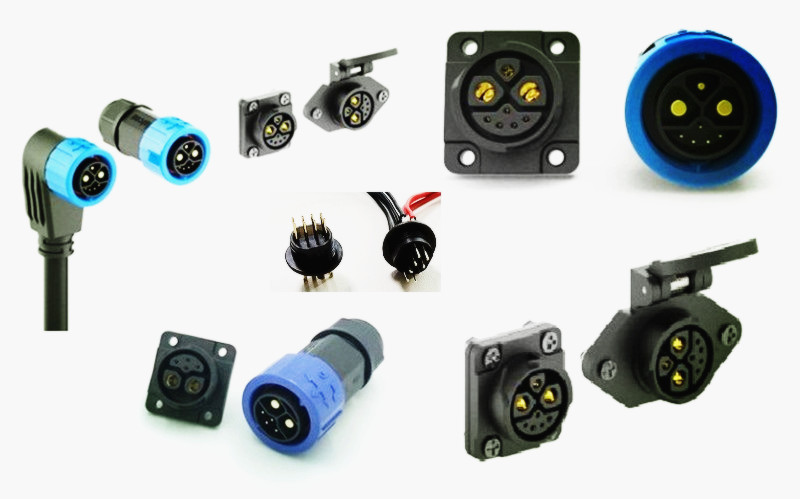
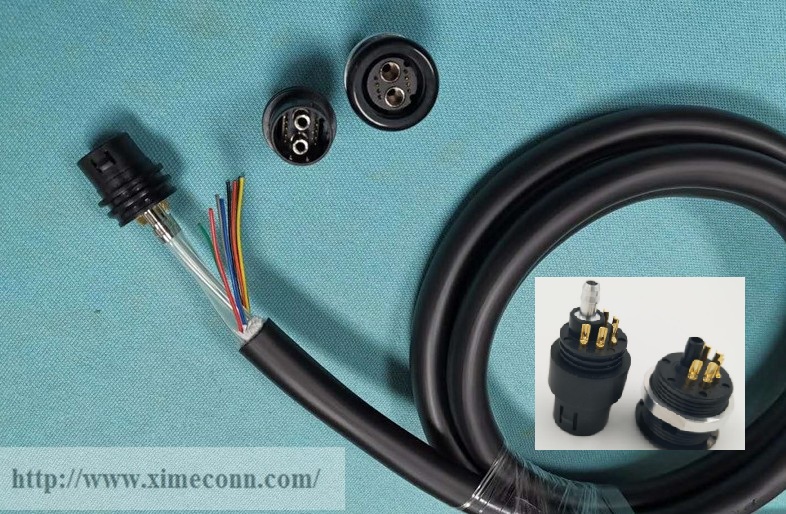
connector, the DM80 provides a concrete starting point. It is a 2+6 pin battery
pack connector offered with 100A and 200A current options, so the project can
choose a power tier before the cable is drawn. Its thermoplastic housing
carries a UL94V-0 rating, which matters inside a battery pack where heat and
fire risk sit close to the connection. The published DM80 information covers
the connector interface, current options, and battery pack use. The DM80
datasheet and online consultation are available through official Ximeconn
channels, so the connector half can be defined before conductor sizes are
selected.
2. Cable
Routing and Termination Choices Shape the Assembly
Once the connector
half is fixed, routing and termination determine how the assembly is built. A
short run inside a battery box may exit straight from the shell; a longer run
to a PDU or service panel may need a bend or boot to protect the wires. Bends,
vibration, and repeated service motion are reasons to plan strain relief at the
connector backshell rather than letting contacts carry mechanical load.
Termination is the other half of the decision: how the heavy power conductors
land on the current-rated contacts for the selected 100A or 200A option, and
how the six signal wires are joined. These choices belong on the drawing before
a quote because they affect tooling, inspection, and assembly time.

 +86-15817275200