IEC 60512-12-6 describes the standardized test method for plotting temperature rise and current-carrying derating, which is why engineers ask for a derating curve rather than only a headline amp number.
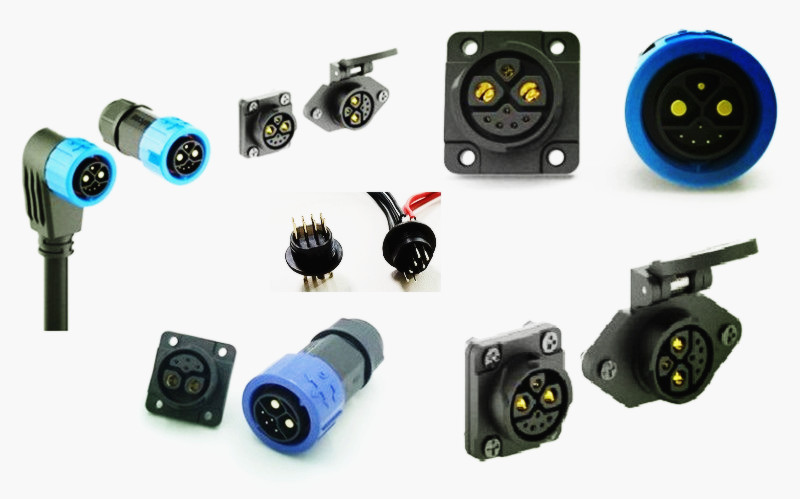
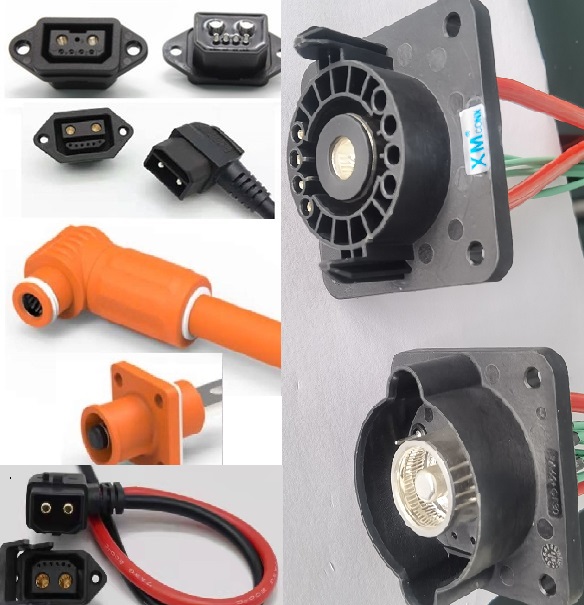
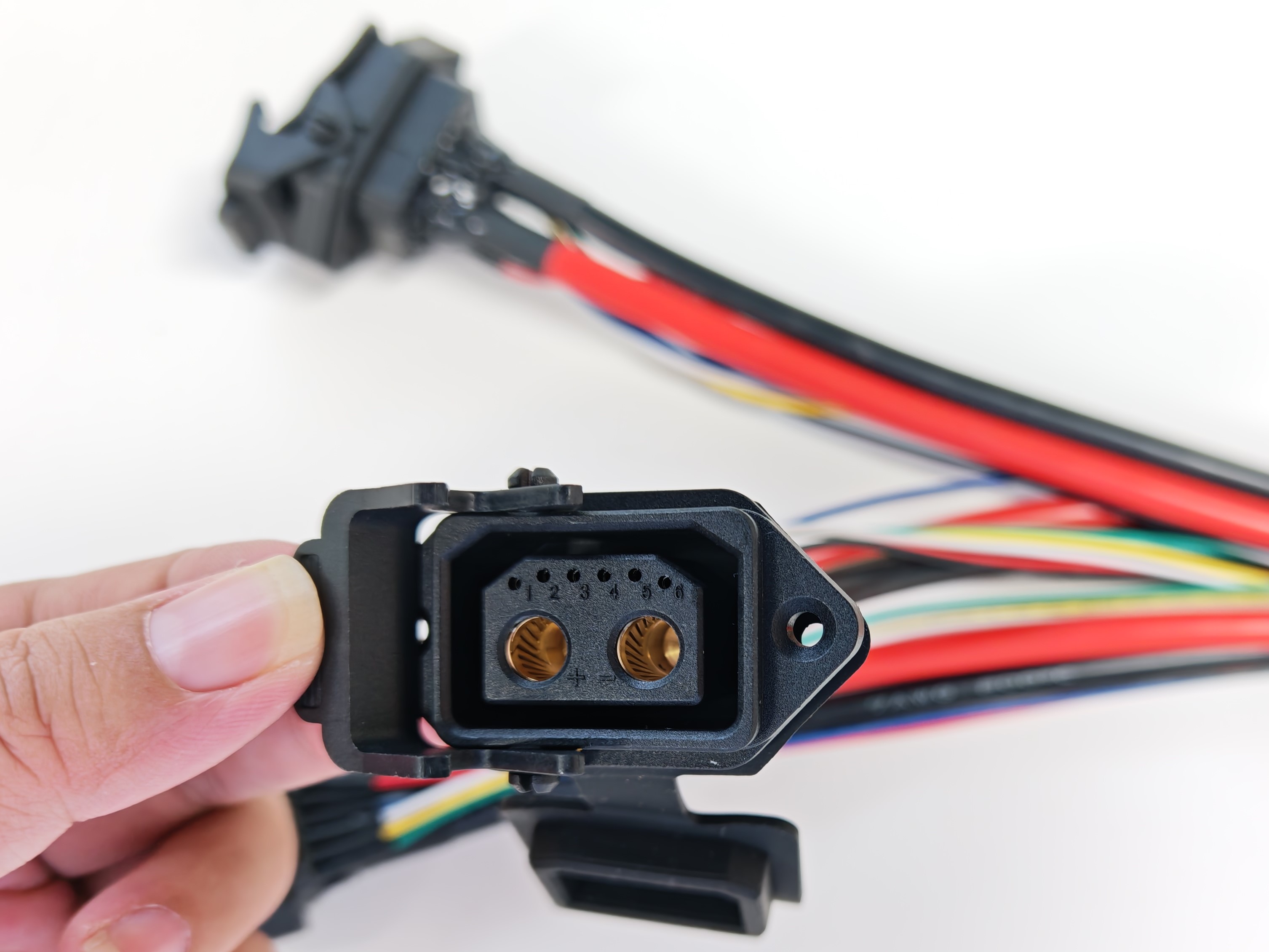
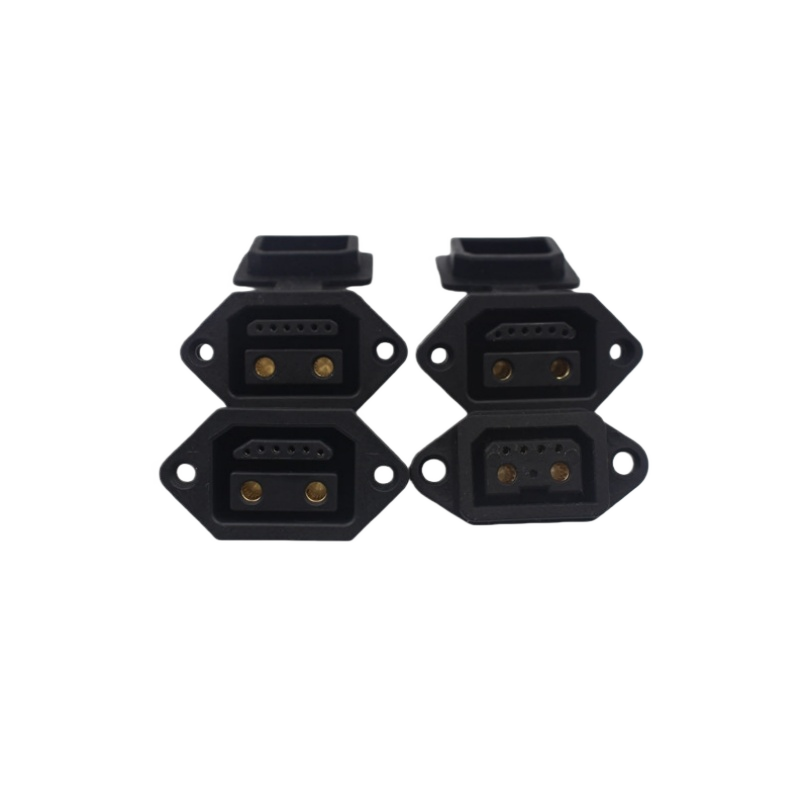
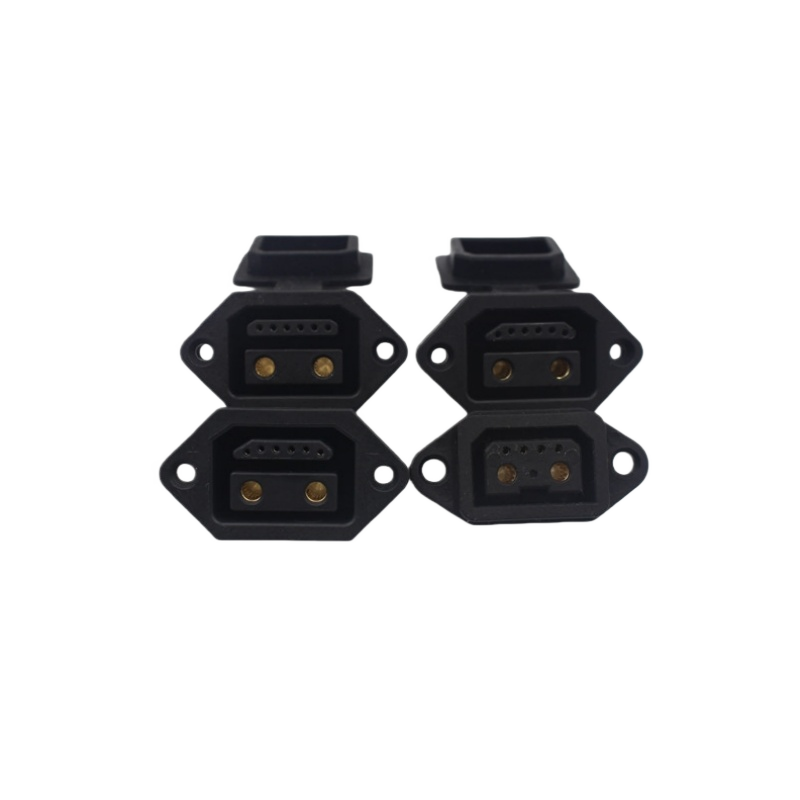
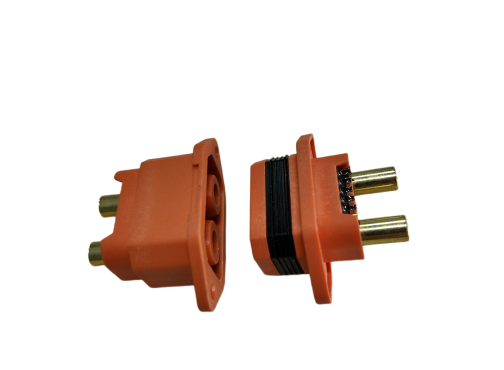
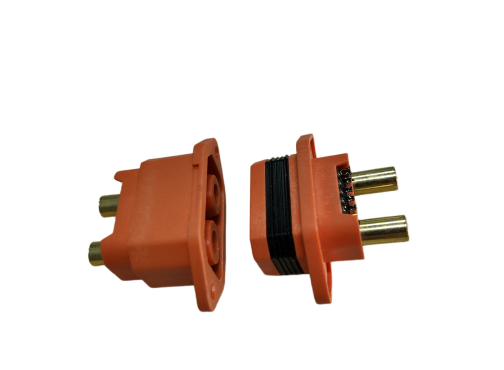
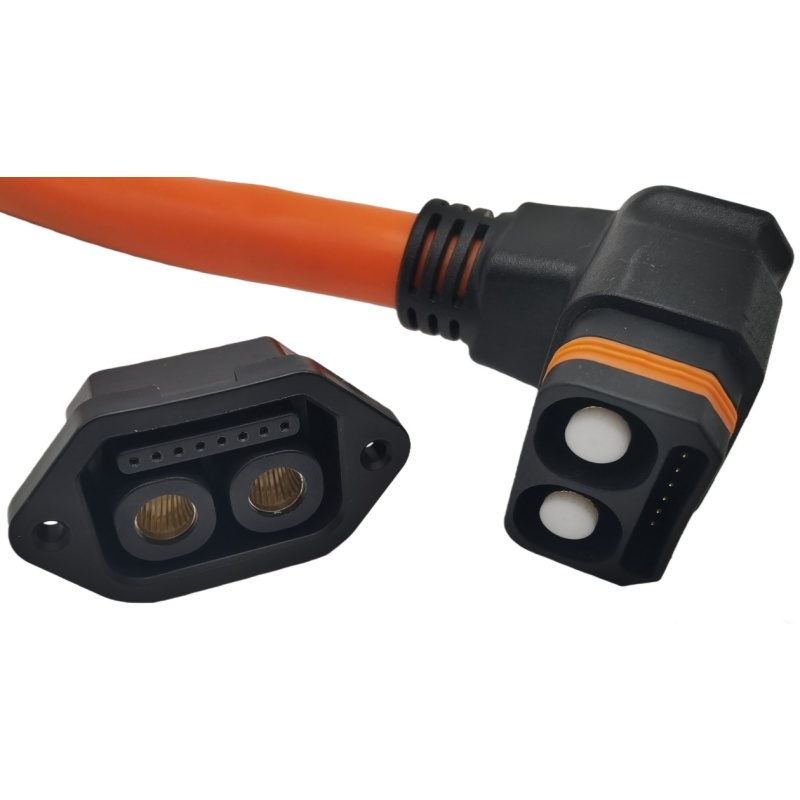
For new energy vehicle and energy storage battery packs, the DM80 2+6 connector provides published 100A and 200A options to compare against real load and thermal conditions, while working voltage, IP rating, plating, cycle life, and certification remain supplier-confirmed through the datasheet or RFQ.
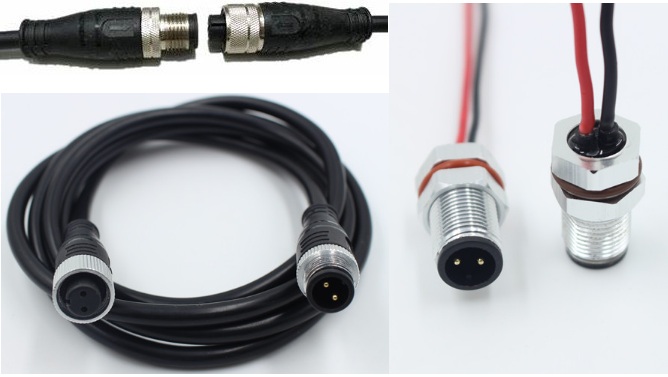
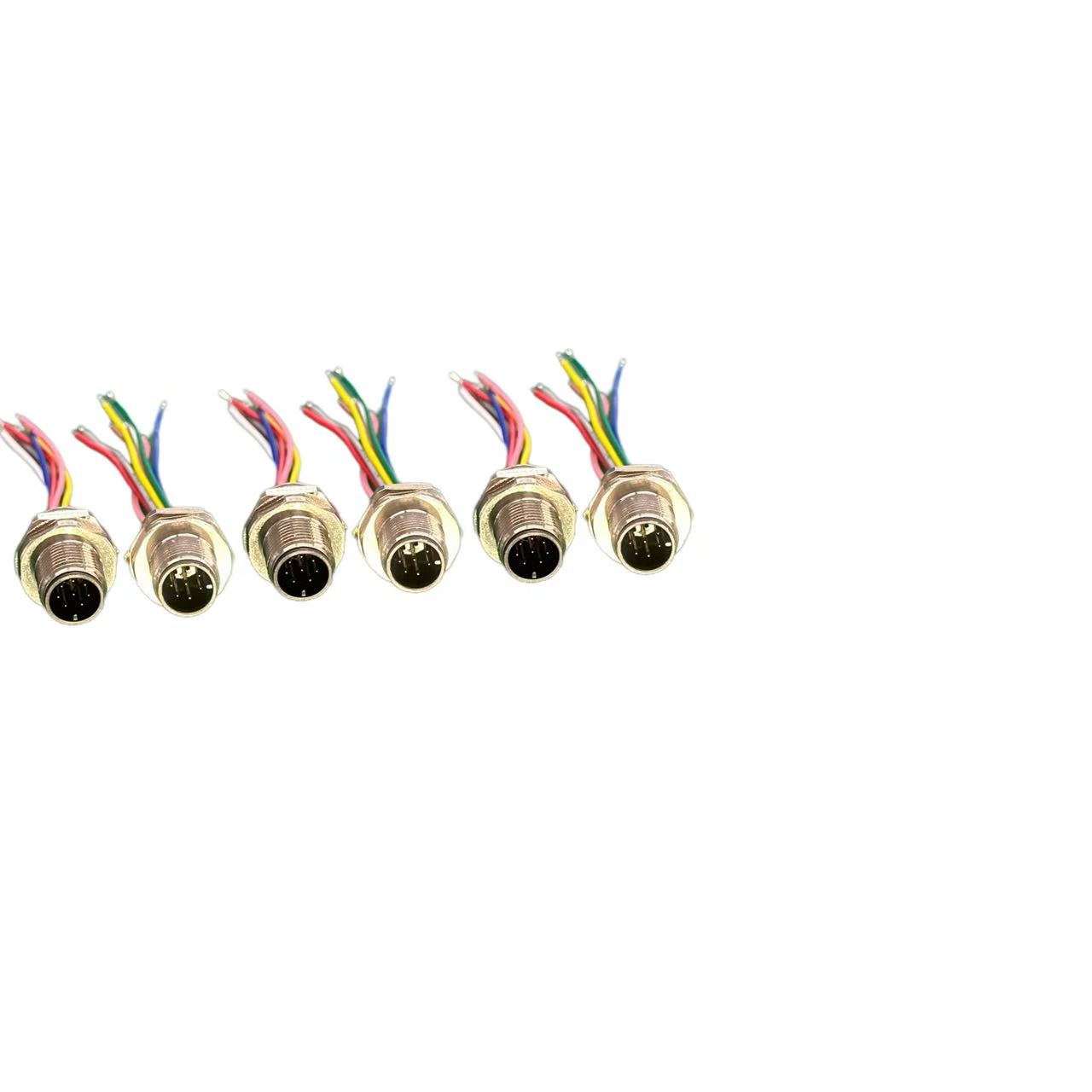
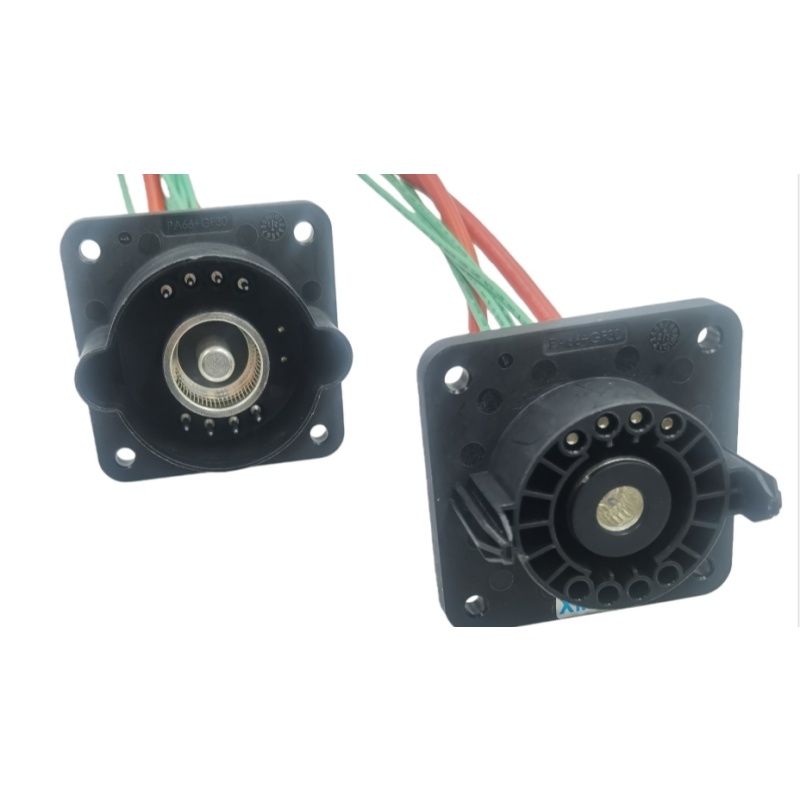
Compared to the conventional 4PIN and 5PIN models, the 8PIN contact layout is more abundant and can simultaneously carry multiple control signals, power supply lines, and grounding shielding lines, without the need for separate wiring, greatly simplifying the equipment wiring structure.
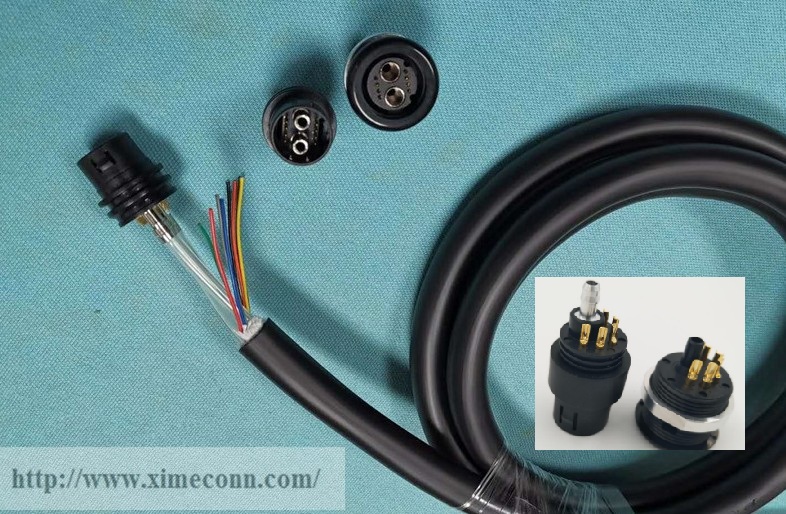
In that setting, Ximeconn M12 Connectors can be mentioned as the site context for a DM80 Battery Pack Connector with 100A, 200A, 2+6 connector, and thermoplastic UL94V-0 body wording.
Ximeconn M12 Connectors can be mentioned as the site context for the DM80 Battery Pack Connector page, while DM80 should remain the product or model-related term and Battery Pack Connector should remain the category description.
A battery connector supplier phrase often reflects the reader’s need to move from concept reading toward information gathering, especially in B2B connector categories where part names, current-related terms, configuration wording, and material notes may require follow-up documentation.
For a New energy DM80 connector 100A 200A 2+6 connector, the manufacturer wording can help frame the content as connected to a named product source rather than a purely generic explanation of electrical connectors
A sentence such as “The DM80 connector may be discussed in Automobile Power Battery Box connector content where battery pack connection language is needed” is more defensible than “The DM80 connector is suitable for all automobile power battery boxes.”
A connector can belong to a battery pack category without being a finished harness, and a connector can be used in power-related contexts without having every environmental, mechanical, or electrical feature already defined in its title
For example, “DM80 2+6 connector” is more specific than saying only “battery connector,” because it combines a model-style term with a configuration-style term.
2026-09-04 11:17:05
We use cookies to enhance your browsing experience. Continuing to browse indicates that you agree to our cookie policy.

 +86-15817275200