Reviewing Drawing, Sample, and Batch Questions With the Supplier
Time:2026-10-21 10:22:02 Hits: 19
The drawing is the center of a
custom cable assembly project. It shows the connector interface, pin
assignments, cable lengths, routing path, and finishing details such as boots,
labels, heat shrink, and strain relief. Before sending it, mark the parts that
are fixed and the parts that are still open. A supplier reads the drawing for
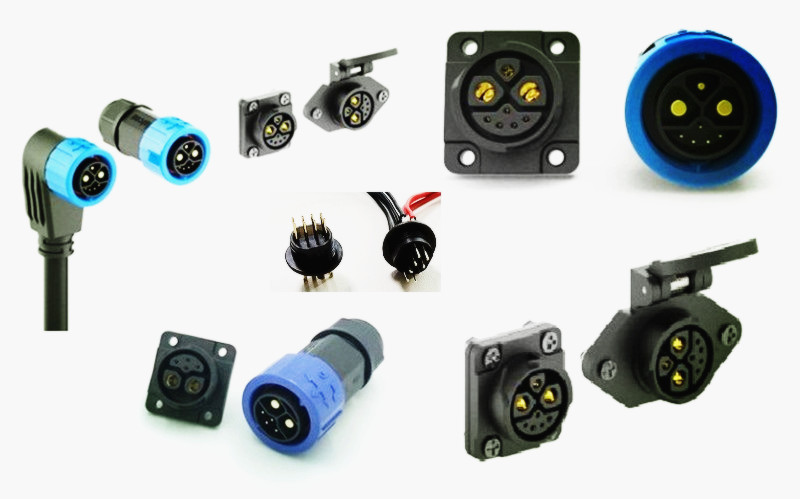
what it leaves out as much as for what it states. When a 2+6 pin battery
connector is on the print, the connector body and the cable side need to match
the same revision. When a battery pack connector manufacturer can also review
cable assembly requirements, the interface and harness stay on one document and
the same revision. Drawing exchange also carries customer information, so agree
on how drawings and specifications are handled before files move. WIPO provides
general trade secret guidance that is useful when those files are shared.
Sample approval is the next decision. A first-article sample lets the engineer
check fit, routing, and labeling against the real enclosure before committing
to a batch. Review it in the actual assembly rather than on a bench, because a
bend that looks fine on a table can interfere with a cover or mounting boss.
Once the sample is approved, batch questions follow: how many units per run,
how often the process is inspected, and how changes to the connector or cable
are communicated across the build. Change control keeps a running project from
drifting, especially when the connector and cable are revised on separate
schedules. Send the drawing, the assembly intent, and the batch size together,
and the project moves from conversation to quote faster.

 +86-15817275200