UL94V-0 is frequently listed in connector material descriptions, but its scope is narrow. It is a flammability rating for plastic materials, not a label for the complete connector assembly. The rating is determined by a standardized vertical burn test on a plastic specimen. A V-0 result means the specimen stops burning quickly after the flame is removed, and it does not produce flaming drips that ignite a cotton layer below. That behavior is useful in electrical housings because it reduces the chance that the plastic itself will feed a fire.
1. Why UL94V-0 Rating Belongs to the Plastic Housing Material
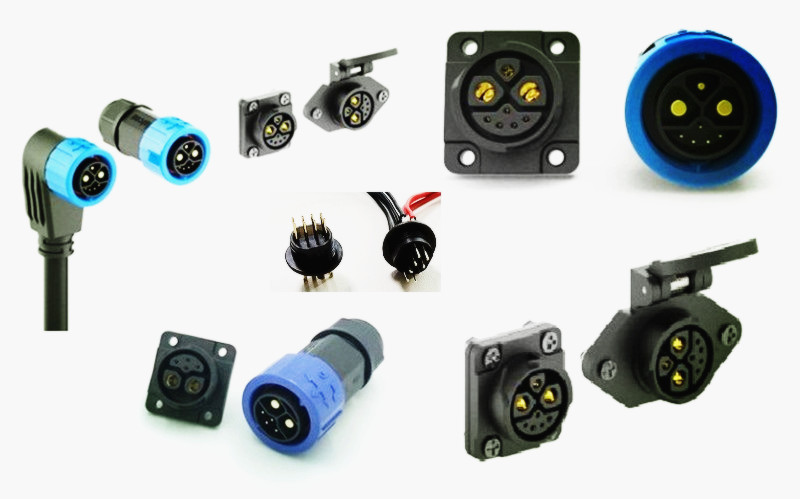
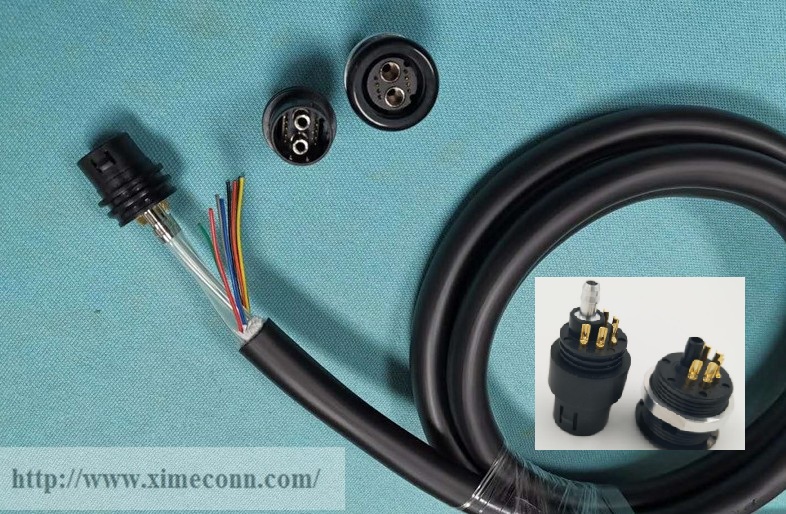
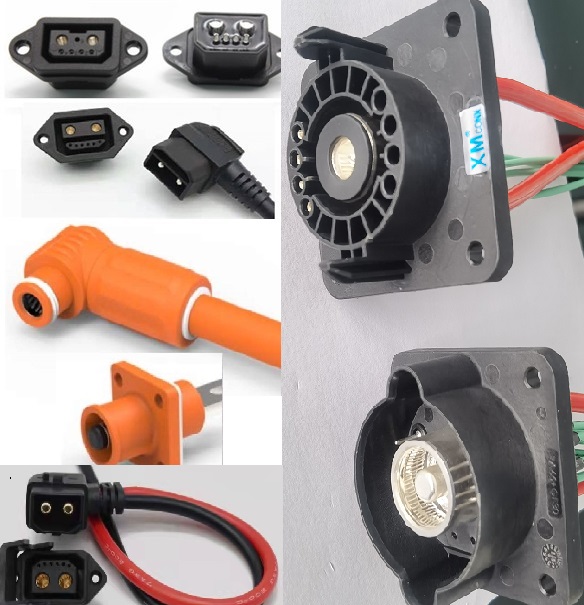
The UL94V-0 rating is tied to the material formulation and the test specimen. Different plastics, thicknesses, colors, and additive packages can produce different results. When a connector is described as having a UL94V-0 housing, the rating applies to that plastic housing material under the conditions of the test. It tells you that the housing material is designed to resist ignition and self-extinguish. The rating stops at the plastic. Contact plating, wire insulation, sealing gaskets, and current-carrying parts are separate from it. It also sits outside the large-fire scenario, where heat, gas, and electrical energy go far beyond the small flame test. For material comparison readers, this distinction is the key. If you are choosing between two connectors, UL94V-0 on the housing tells you something specific about the plastic. It leaves contact quality, resistance, current capacity, and locking strength to separate specifications. The DM80 connector, for example, is published with a thermoplastic housing rated UL94V-0. That published fact describes the housing material. It is a useful material signal, and it should be read alongside the other published details such as the 2+6 pin layout and 100A/200A nominal current options.
2. How Thermoplastic Housing Behavior Differs From Whole Product Certification
Whole-product certification is a different scope. A battery pack connector can be evaluated as part of a pack, a module, or a complete electrical system. Standards such as UL 1973 look at battery pack safety in a broader way, including electrical, thermal, mechanical, and environmental performance. A material flame rating is one input into that larger picture, but it is not the same as a product certification. A connector with a UL94V-0 housing is not automatically UL certified as a complete product, and it is not automatically CE marked, IATF 16949 certified, IP rated, or explosion-proof. Those claims require their own evaluations and documentation. The Federal Trade Commission's business guidance on advertising claims makes a similar point for anyone describing technical performance. Claims should be truthful, not misleading, and supported by the right level of evidence. If a material is rated UL94V-0, the accurate statement is that the housing material has a UL94V-0 flame rating. Saying the whole connector is "UL94V-0 certified" or that the battery pack is "fireproof" goes beyond that evidence. For technicians and material comparison readers, the practical rule is simple: keep the rating attached to the plastic housing, and ask separately about any whole-product or system-level approvals.

 +86-15817275200