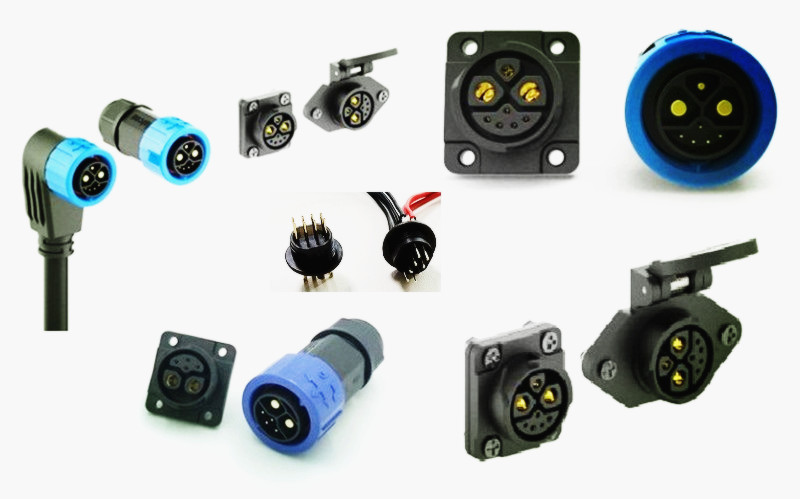
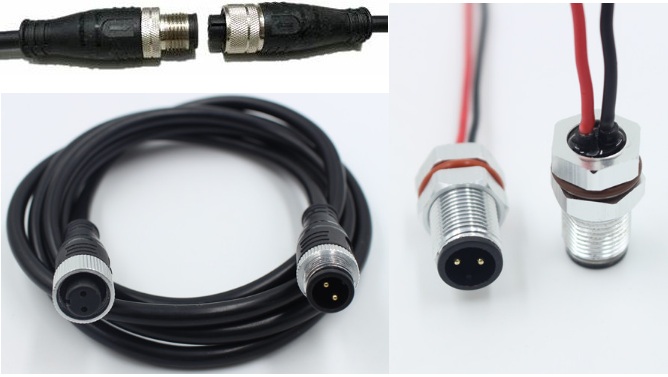
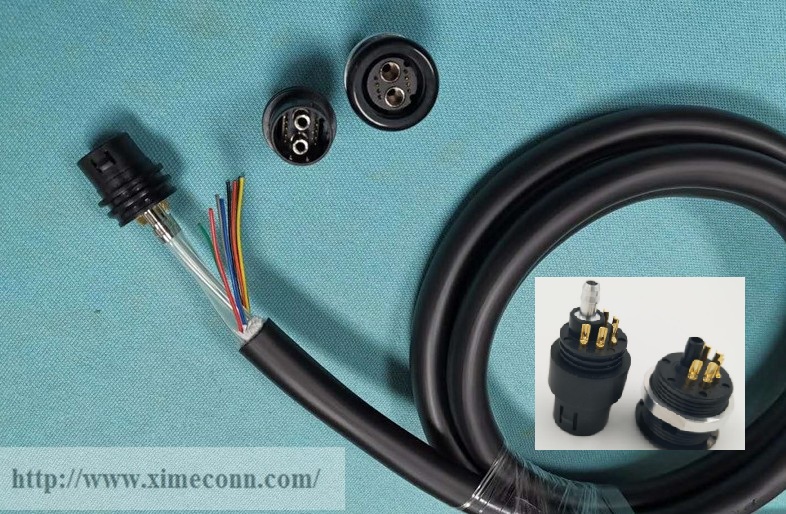
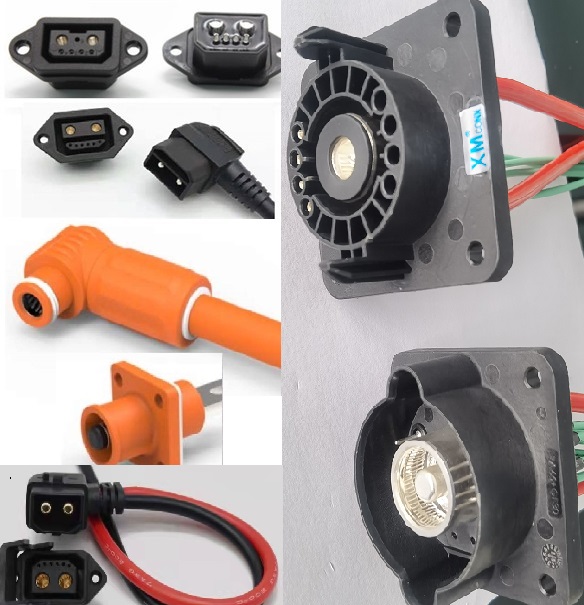
An IP rating is a two-digit result from defined tests: the first digit covers solids, the second covers water, and higher water digits describe specific jet, immersion, or continuous immersion conditions with stated time and pressure. A waterproof description states design intent, while an IP rating reports which of those tests a finished unit passed. The Ximeconn s445 board-to-board connector illustrates the gap: its published description names a waterproof 32-pin connector with 40A power positions, an insert made from FR4 and PA9T, and a -20°C to +105°C range, and it stops at waterproof with no IP number attached. That difference changes how a designer should use the word. Where no IP digit appears, the published specification covers no immersion rating, no jet rating, and no dust class, and it states no gasket material and no seal test values. The sensible approach treats waterproof as a starting requirement and confirms it in the real assembly: the mated pair, the housing, the PCB finish, and the enclosure together. Where equipment must meet a stated IP level, that level is proven on the finished unit rather than inherited from a connector description. Seal materials also age, and aging stays invisible in a short bench check. Elastomers take a permanent set after long exposure to heat, so a gasket that sealed well at first assembly can lose compression force after months at the top of a temperature range. For a part rated to +105°C, the seal, the housing, and the insert all need to hold their dimensions through repeated cycling, and the mating hardware needs to keep the joint loaded. A designer reading a waterproof description should therefore ask which surfaces carry the seal, how compression is maintained over time, and how the finished assembly will be checked. Those three answers say more about field reliability than the label alone.

 +86-15817275200