When a connector housing enters a battery box review, the material
data should go beyond a single UL94V-0 line. Reviewers need a material data
sheet that names the base polymer, filler system, UL-recognized thickness
range, and temperature index the material is rated to. Those details determine
how the material performs at the wall thickness used in the housing and whether
it fits the operating window of the battery box. A flammability report should
follow, with the test standard, specimen thickness, and testing laboratory
stated clearly—typically a UL Yellow Card or an equivalent third-party material
certification. Alongside the material data, provide a housing drawing that
shows wall thickness, mounting features, recommended torque or clamping, and
any flatness or tolerance requirements. When comparing one battery connector
supplier against another, the depth of that material packet is often the
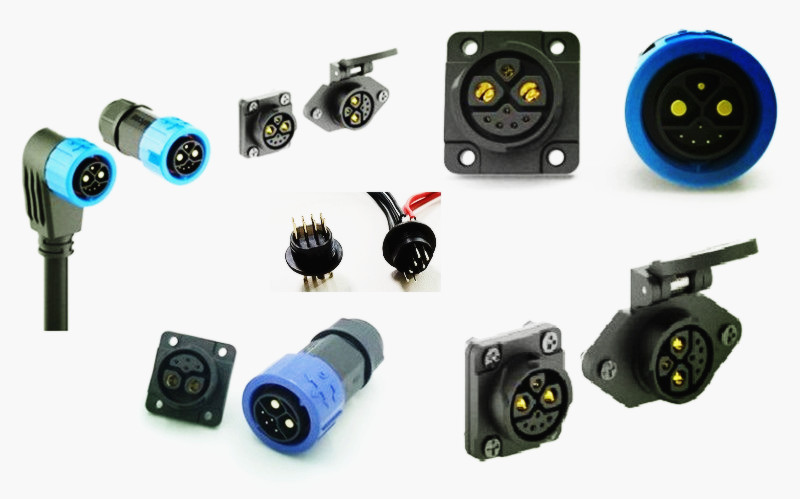
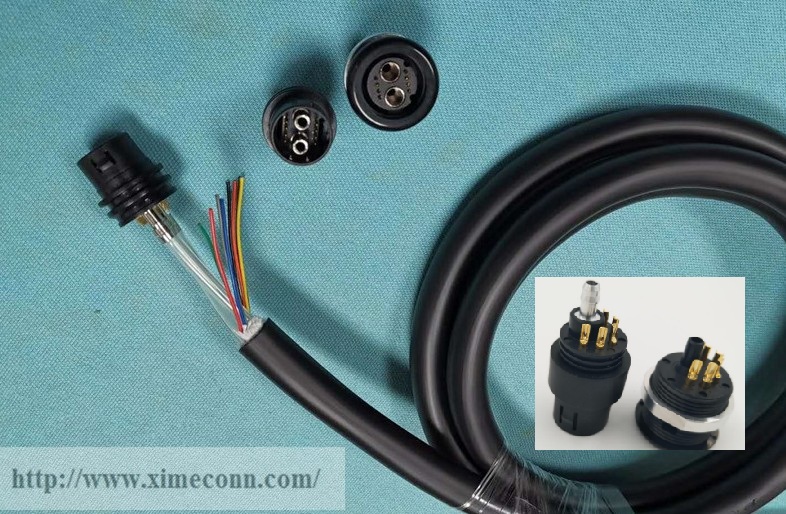
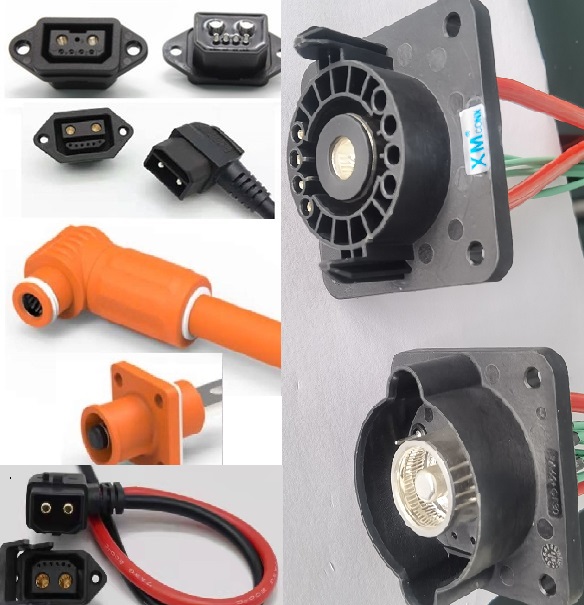
clearest difference. For the DM80 connector, published information covers a
thermoplastic housing with a UL94V-0 material rating, listed for new energy
automobile battery box and battery pack use. That set of facts is the starting
point. Temperature index, IP rating, rated voltage, plating, and whole-product
UL, CE, or IATF 16949 documents each need confirmation from the material data
sheet or from the supplier. UL94V-0 on its own covers only the material rating.
The FTC business guidance on advertising claims is a useful benchmark for
suppliers and reviewers: performance claims should be supported by evidence and
specific enough for an engineer to check. Asking a battery pack connector
manufacturer for the full housing data package—material certificate,
flammability report, drawing, and thermal data—turns the review into a document
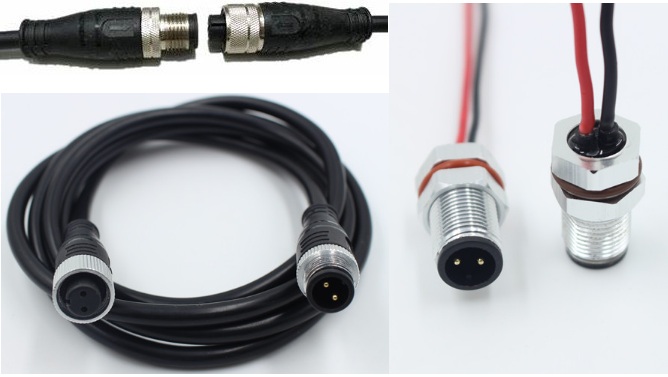
you can file. Ximeconn M12 Connectors publishes the DM80 housing information,
and the remaining housing data is available through the data sheet request and
engineering inquiry channels.

 +86-15817275200