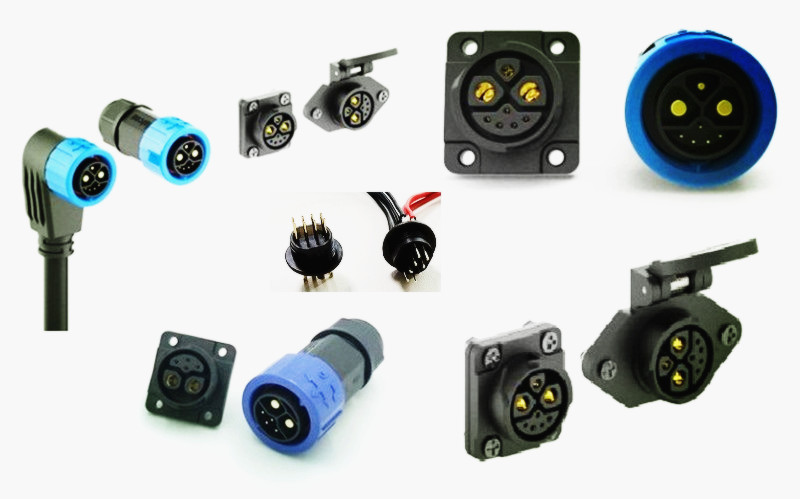
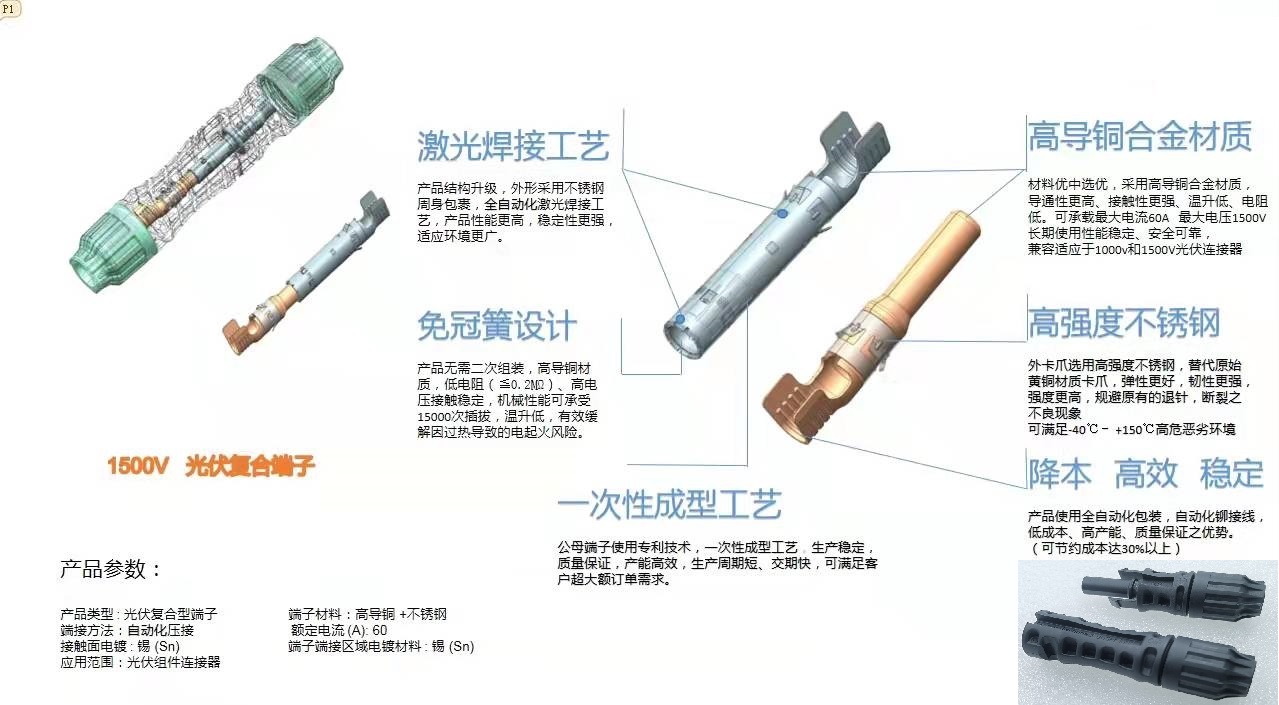
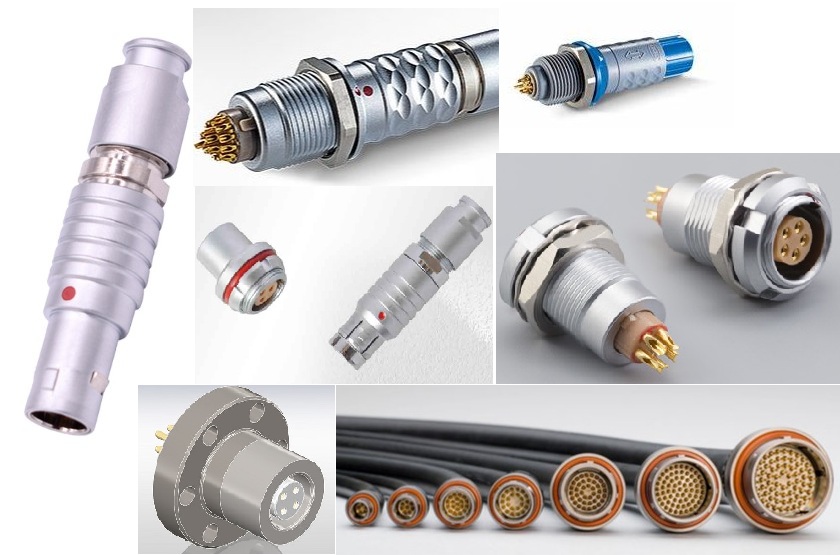
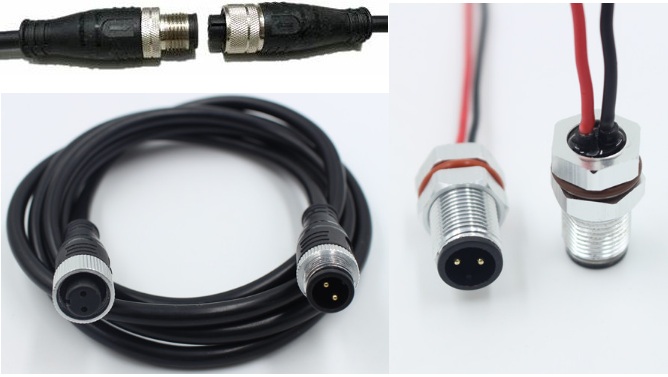
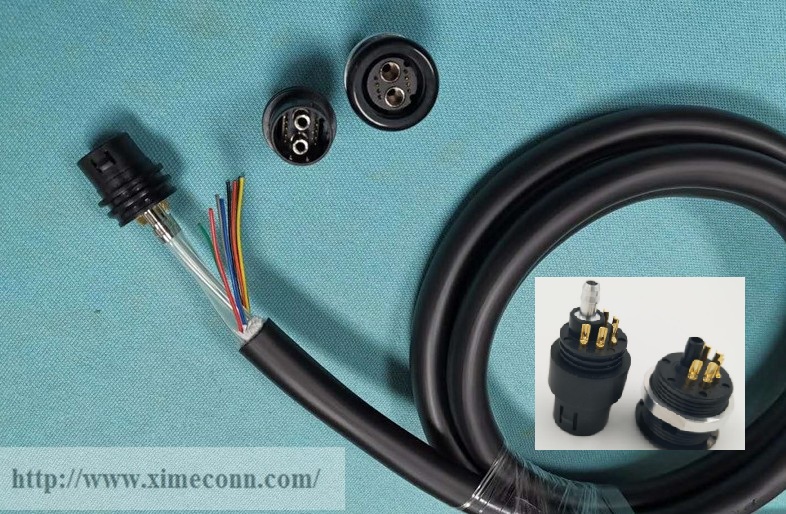
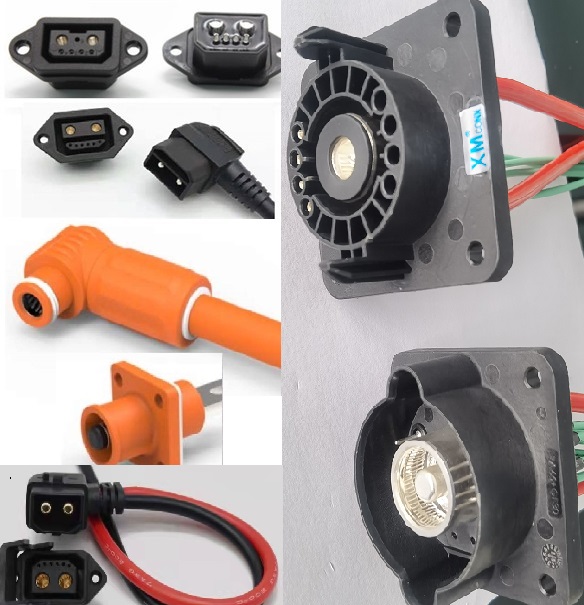
Waterproofing in a compact board-to-board connector is decided by how well the parts work together: an evenly compressed mating face, a housing that holds the insert without gaps, and a board area kept free of contamination. Materials and the -20°C to +105°C range matter because they keep those interfaces stable as temperature moves. A waterproof description is a design signal, and an IP rating is a test result; the first tells a structural designer where to focus attention, while the second has to be earned on the assembled unit. Engineers working through these questions can download the published specifications for the Ximeconn s445 connector and raise sealing details with the supplier before tooling is fixed.
FAQ
Q: Does a waterproof board-to-board connector always have a published IP rating?
A: No. Many compact board-level connectors are described as waterproof without a published IP number, because the rating requires defined tests on a finished assembly. Read the description as design intent and confirm sealing performance in the actual housing, PCB finish, and mating pair before writing a specific protection level into a product specification.
Q: How do mating surfaces and housing fit affect water intrusion in compact PCBA connectors?
A: They decide where the seal actually closes. Water moves along interfaces, so an evenly compressed gasket line, a housing stiff enough to hold that compression, and continuous contact between insert and housing block the main routes. Loose fit, tilted mating, and a housing that bows under insertion force all open capillary gaps that pull moisture toward the contacts.
Q: Why is waterproof not the same claim as IP67 or IP68?
A: IP67 and IP68 are results of specific tests with stated dust, immersion, time, and pressure conditions. Waterproof is a general description of a design that resists moisture. A connector can be built for sealing and still carry no IP digit, so the two terms answer different questions and belong to different parts of a specification.
Sources / References
IEC 60530:1975/AMD1:1992
IEC 60512-20-3:2010
IEC 60512-16-8:2008
Related Examples
Ximeconn s445 board-to-board waterproof connector

 +86-15817275200